Total: 0.00 BGN (0.00 €)

The Lotus – the Sacred Flower of the East

17.01.2026

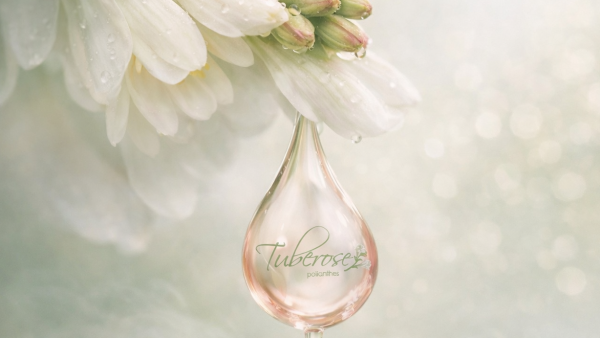
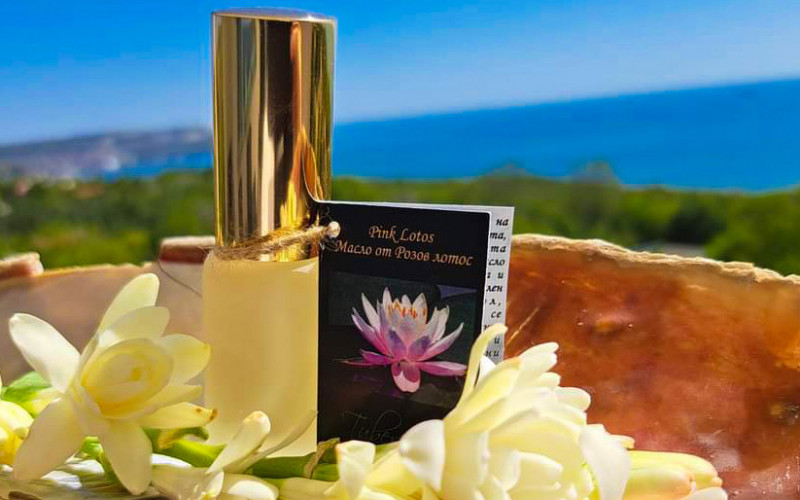
The Lotus – a Symbol of Purity, Balance and Inner Path 1. What is the Lotus as a Symbol The lotus is one of the most deeply revered flowers in Eastern cultures. Its power is not in its external beauty, but in the way it grows – from dark, muddy water to light, without losing its purity. This natural movement turns the lotus into a symbol of inner growth, awareness and balance. It does not deny the environment from which it originates, but uses it as a basis. That is why the lotus is often perceived as an image of the human path – life in the world, without losing inner clarity. 2. The Lotus in India, Sri Lanka and Thailand India In India, the lotus is a sacred flower, associated with pure consciousness and divine order. It is present in Hindu philosophy as a symbol of spiritual clarity, harmony and inner wholeness. Many deities are depicted on a lotus flower – not as an ornament, but as a sign of conscious presence and connection between the earthly and the spiritual. Sri Lanka In Sri Lanka, the lotus is part of daily spiritual practice. It is offered in temples as a gesture of gratitude, humility and inner intention. Here, the lotus is not an ideal, but a path – a reminder that inner balance is achieved gradually, with patience and attention. Thailand In Thailand, the lotus is an integral part of the Buddhist tradition. It is present in prayers, meditations and rituals as a symbol of enlightenment. The lotus embodies the possibility of a person to remain rooted in reality, but turned towards the light – with clarity and peace. 3. Why is a lotus donated to temples Donating a lotus to temples is not a decorative gesture. It is an expression of inner intention. The lotus is offered because: it symbolizes purity of thought it carries a message of humility and balance it reminds of transience and conscious presence The lotus has no thorns and no protection – it is completely open. It is this openness that makes it a powerful spiritual symbol. In Eastern traditions, it is believed that the lotus creates harmony between body, breath and consciousness – not through force, but through a soft presence. 4. The aroma of the lotus The aroma of the lotus is subtle, light and watery. It does not dominate or intrude. It unfolds gradually and remains calm – like a breath that slows down the rhythm. In aromatherapy, the lotus is associated with: inner balance softness and calming harmony between the senses This is an aroma suitable for moments of slowing down, meditation and personal rituals. 5. Lotus and the Philosophy of Tuberose The philosophy of Tuberose follows the same understanding that the lotus brings to Eastern cultures – that true value is not imposed, but unfolds with time and attention. Lotus and tuberose share a common depth. Both are flowers that do not reveal themselves immediately. Their aromas are not noisy – they are present, lingering and remembered. That is why Tuberose Pink Lotus Oil was created as a fragrance for moments of slowing down – for personal rituals, quiet care and a return to inner balance. It does not dominate, but accompanies. It does not promise change, but offers presence. 6. Lotus as a choice Choosing lotus is not just a choice of fragrance. It is a choice for awareness, softness and inner order. In a world that constantly demands, the lotus reminds us that sometimes the greatest power lies in the calm unfolding – at the right moment. Conclusion The lotus is much more than a flower. It is a symbol of a journey, of mindful presence and of a quiet heart. In the world of Tuberose, this symbol lives through fragrances and oils that create a space for inner peace and harmony, rather than noise and pressure.

Annual growing calendar for Tuberose Polyanthes

10.01.2026

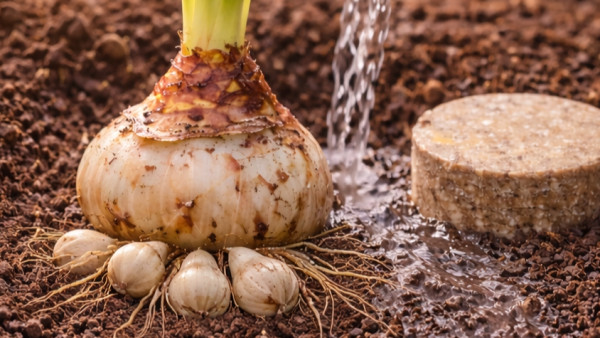
Growing, Care, Fertilizing and Blooming Month by Month Polyanthes Tuberose (Polianthes tuberosa) is one of the most fragrant and impactful flowers in the world. Its deep, rich aroma unfolds most strongly in the evening, which has earned it the name Queen of the Night. In order to develop properly, form strong plants and bloom continuously, Tuberose requires a precise annual rhythm, proper starting fertilization and good planting planning. Many of the problems in growing – lack of flowering, weak plants or small bulbs – are the result not of the variety, but of missed fertilization, incorrect planting time or hasty removal. This annual Tuberose Polyanthes calendar has been created as a professional guide, tailored to the climatic conditions in Bulgaria, and covers all key stages – from early awakening to late flowering. January – February Rest and early awakening in a pot In winter, Tuberose bulbs are dormant and are usually stored in a dry, dark and airy place at 10–15°C. 🔹 Important addition: As early as February, Tuberose can be deliberately planted in a pot in a warm and bright place to wake up earlier. This is done for the purpose of: earlier start of vegetation earlier flowering extending the season The pots are kept warm (above 18°C), and watering is moderate. March Beginning of the active season March marks the real beginning of the Tuberose season. the bulbs are inspected and sorted the mother bulbs are separated from the babies the soil or pots are prepared 🔹 The main planting period begins in March, which can continue in stages until August 15. April Planting + mandatory starting fertilization April is a key month in which the quality of the plants is determined. Proper planting: depth: 8–10 cm distance: 15–20 cm sunny and sheltered place ⭐ MANDATORY STARTING FERTILIZATION In order to develop strong plants and large flower stalks, fertilizer tablets with a 6-month effect are placed directly into the soil when planting. This ensures: even nutrition strong root system stable growth without stress 👉 Tuberose Polyanthes bulbs and plants: https://tuberosepolianthes.com/produkti/rasteniya 👉 Starter and long-term fertilizer tablets: https://tuberosepolianthes.com/produkti May Intensive growth In May, Tuberose builds up its leaf mass. watering is regular, but moderate leaves are not cut water retention is not allowed This is the phase in which the plant accumulates energy for flowering. June Preparation for flowering In June, the formation of the flower stalk begins. plants are not moved not over-fertilized moisture is maintained evenly July – August Flowering and staged planting Tuberose blooms mainly in July and August, but: 🔹 Very important: Tuberose can be planted in stages from March to August 15, which allows: extended flowering fresh flowers until late autumn and even December when grown in pots During flowering: ❗ Leaves are not cut It is during this period that the aroma that underlies the natural oil of Tuberose Polianthes is revealed. 👉 https://tuberosepolianthes.com/produkti/kozmetika September Ripe bulbs After flowering, the leaves continue to nourish the bulb. ❗ This is a crucial period for the formation of new bulbs and babies. October Removing the bulbs After the leaves turn yellow: The bulbs are removed cleaned dried in the shade November - December Storage and dormancy The bulbs are stored: dry ventilated free from moisture and frost Frequently asked questions When can Tuberose be planted? From March to August 15, including staged planting for a longer flowering period. Is starting fertilization mandatory? Yes. Starting fertilization with tablets with a 6-month effect is key for strong plants and abundant flowering. Can Tuberose bloom until December? Yes, with later planting and pot cultivation in a warm place. 👉 Bulbs and Plants: https://tuberosepolianthes.com/produkti/rasteniya Conclusion Tuberose Polyanthes is a plant with exceptional potential when the right timing, proper fertilization and staged planting are observed. By combining early awakening, starter fertilization and an extended planting period, flowering can last significantly longer than the standard season. This calendar is designed as a basic expert guide that you can return to every year.

Tuberose Polyantes Growing Mistakes – How to Avoid Them | Tuberose

05.01.2026

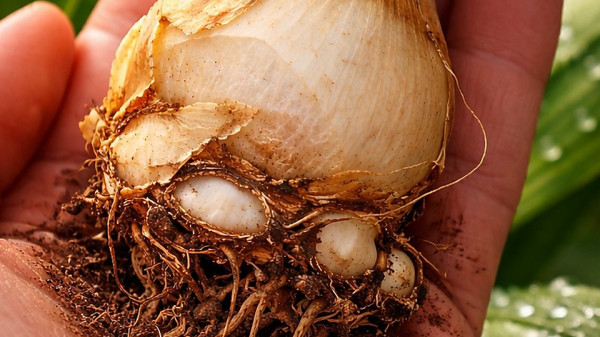
Tuberose (Polianthes tuberosa) Growing Mistakes and How to Avoid Them Tuberose (Polianthes tuberosa) is one of the most fragrant and impactful flowers, but despite its beauty, it often disappoints gardeners when it does not bloom, rots or does not develop properly. If you are just starting out, it is highly recommended that you first read the complete planting and care guide, which will give you the basics: 👉 Growing Tuberose – step by step In most cases, the cause of the problems is not in the plant itself, but in a few commonly made mistakes. What is important to know in advance Tuberose: is a heat-loving plant that develops from a tuber, not from a seed blooms only with a properly grown "mother" tuber about 2cm If you are not completely sure what a quality planting tuber looks like, see here: 👉 Tuberose tubers - white, pink and yellow (adapted for Bulgaria) 1. Planting Tuberose too early ❌ The mistake: Planting in February, March or early April, when the soil is cold. This mistake is also discussed in detail in the basic growing guide: 👉 When to plant Tuberose - the right time ✅ The solution: Plant Tuberose after the soil has warmed steadily above 10°C - usually the end of April - May. 2. Wrong planting depth This mistake often goes hand in hand with incorrect soil preparation, described in detail here: 👉 Soil preparation for Tuberose ✅ The solution: The tuber is planted 5–10 cm deep, with the tip up, in loose and well-drained soil. 3. Overwatering – the most common problem Overwatering is a major cause of tuber loss, especially in newly planted plants. If you use pots, see the special section on this: 👉 Tuberose in a pot – watering and drainage 4. “I have leaves, but no color” – why Tuberose does not bloom This is the most frequently asked question and is directly related to the tuber development cycle. To understand the difference between a mother and a baby tuber, see: 👉 How Tuberose develops from tuber to flowering 5. Mistakes when dividing tubers Division is described in detail with photos and steps here: 👉 Dividing and propagating Tuberose 6. Improper storage in winter Storage is key for the next season. You will find the full scheme here: 👉 How to store Tuberose tubers in winter 7. Lack of nutrients This topic is a logical continuation of the soil preparation and feeding described in the main article: 👉 Feeding Tuberose during the season 8. Planting "babies" with the expectation of color If you want guaranteed flowering, choose the right planting material: 👉 Choosing quality Tuberose tubers Frequently asked questions about Tuberose Conclusion Tuberose is not capricious - it is logical when you know its rhythm. If you want the full picture – from planting to flowering and storage, start here: 👉 Growing Tuberose – step by step And for quality, adapted for Bulgaria tubers: 👉 Tuberose tubers – white, pink and yellow Tuberosepolianthes.com Tuberose

Tuberose (Polianthes tuberosa) – growing, care and the path from tuber to aroma

04.01.2026

space with a subtle but memorable aroma. Aroma and oil In TUBEROSE, the aroma of Tuberose is captured in an aromatic oil created for direct application. It brings a feeling of softness, femininity and deep sensory balance. 🔗 https://tuberosepolianthes.com/maslo-tuberoza Suitable for: skin aromatherapy personal rituals gift Tuberose and food The color of Tuberose can be used in cooking only if it is of safe, edible origin, grown without chemicals and in minimal quantities. 🔗 https://tuberosepolianthes.com/retsepti-tuberoza

Oud Oil – Origin, Aroma and Benefits

03.01.2026

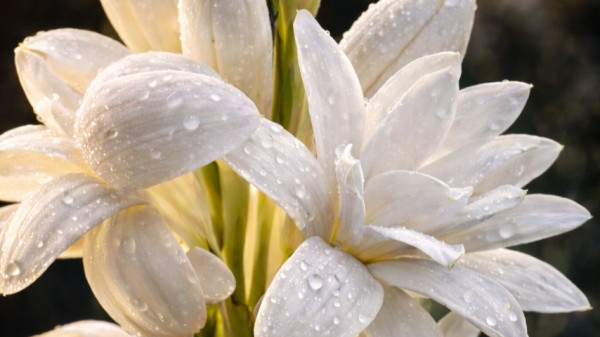
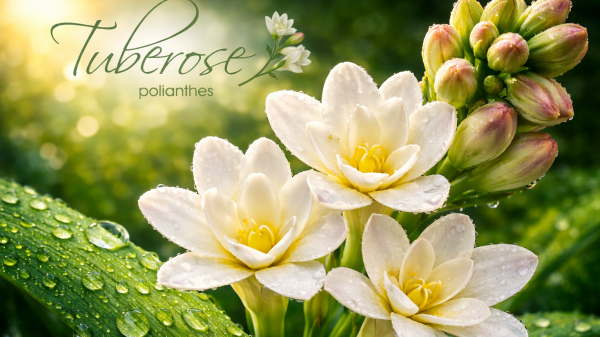
TUBEROSE POLYANTES – THE FLOWER OF THE VIRGIN AND THE QUEEN OF THE NIGHT Tuberose Polyantes is one of the most fragrant and mystical flowers in the world. Its aroma is not revealed immediately – it unfolds slowly, at dusk, when the air calms down and the senses open. That is why it is called the Queen of the Night and the Flower of the Virgin – a symbol of purity, spirituality and deep feminine energy. 🌿 Origin and symbolism of Tuberose Polyantes Tuberose Polyantes originates from the warm lands of Mexico and Central America. For centuries it has been used in rituals, temple decorations and ceremonies related to love, dedication and inner transformation. In different cultures, Tuberose symbolizes: purity and light deep femininity silence and inner awakening connection between the earthly and the spiritual 🌸 The aroma of Tuberose - an experience, not just a scent The aroma of Tuberose is dense, creamy, floral and deep. It is not intrusive - on the contrary, it leads inward, to peace and sensuality. The aroma of Tuberose can be felt most fully through Tuberose Polyanthes oil, which brings deep relaxation, harmony and a feeling of soft presence. 🌿 Benefits and effects on the mind and body Tuberose Polyanthes is used in aromatherapy for its balancing effect. Its aroma: soothes the nervous system supports relaxation and sleep creates a sense of security and warmth supports emotional balance In natural cosmetics, Tuberose is valued for its ability to bring softness, sensuality and deep care. 🌱 Tuberose Polyantes in the garden Apart from being a fragrance and oil, Tuberose Polyantes is an exceptionally beautiful garden plant. It blooms during the summer months, and its aroma intensifies at dusk and at night. If you want to enjoy this aroma in the summer evenings, you can plant Tuberose Polyantes bulbs and bring the magic of the flower into your garden. 🌿 Natural Tuberose fragrances Tuberose is the heart of the Tuberose brand philosophy - respect for the plant, patience and manual care. Check out the other natural Tuberose oils, created with attention to nature and its subtle messages. ❓ Frequently asked questions about Tuberose Polyantes What is Tuberose Polyantes? Tuberose Polyantes is an aromatic flower known as the Queen of the Night and the Flower of the Virgin, valued for its deep and sensual aroma. What is the scent of Tuberose? The aroma is dense, floral and creamy, with a calming and balancing effect. What is Tuberose used for? It is used in aromatherapy, natural cosmetics, perfumery and in relaxation rituals. When does Tuberose Polyantes bloom? It blooms in the summer, with its aroma intensifying in the evening and at night. 🌿 Final message If you feel that Tuberose attracts you, trust the authentic products of Tuberose – създадено с грижа, търпение и любов към самото цвете.

Oud Oil – Origin, Aroma and Benefits

16.12.2025

Oud oil is one of the most prized and rare natural oils in the world. Known for its deep, woody and resinous aroma, it has been used for centuries in spiritual practices, niche perfumery and aromatherapy. Oud is a symbol of strength, balance and sophisticated style.

Cookie