Total: 0.00 BGN (0.00 €)

Jasmine - origin and useful properties

11.07.2024

Jasmine is known for its irresistible aroma and numerous beneficial properties that make it extremely popular in cosmetics, perfumery, aromatherapy and folk medicine. In this article, we will look at the origins of this amazing plant, as well as its active ingredients, beneficial properties, and uses in various fields. Origin and meaning of jasmine The jasmine plant belongs to the olive family (Oleaceae) and includes over 200 species of flowering plants. Its origins can be traced to the tropical and subtropical regions of Asia, Africa and Europe. The best known species used in perfumery and cosmetics are Jasminum grandiflorum and Jasminum sambac, which originate from India and the Arabian Peninsula respectively. The name of this plant is probably derived from the Persian language 'Yasmeen' and means 'Gift of God'. In flower symbolism, jasmine represents purity, modesty and strength. The plant is known by its many nicknames such as "Moonlight of Love", "Queen of the Night", "Moon Bush", "Mistress of Flowers", due to the fact that its intoxicating fragrance is strongest after sunset and during waning moonlight. Jasmine is believed to embody a connection to the divine and is considered an extremely sacred plant that has numerous ceremonial uses in various cultures. It is often present in decorations at altars, weddings or other important events and ceremonies, symbolizing a promise of mutual love, strength, simplicity, holiness, humility and purity. In the Philippines, jasmine is accepted as a national symbol and garlands and tiaras of it are considered the most expensive gift with which to welcome desirable guests. In ancient times, jasmine was believed to be prophetic in nature and hold secrets of wisdom. In magical traditions, jasmine was often burned as incense to stimulate clairvoyant dreams and astral projection. Interesting facts about the jasmine plant Why is jasmine so unique? The jasmine plant is distinguished not only by its beautiful flowers, but also by its extremely strong scent, which is intensified in the evening and at night. This phenomenon is explained by the fact that jasmine is a night-blooming plant that attracts nocturnal pollinators such as moths. Interestingly, the scent of jasmine has often been used in various religious ceremonies and rituals to create calm and spirituality. Types of jasmine There are over 200 species of jasmine, but the most common, as mentioned above, are Jasminum officinale (white jasmine) and Jasminum sambac (Arabic jasmine). These species can be found in different parts of the world and are grown for both ornamental and medicinal purposes. Each species has its own unique characteristics, but they all share one thing in common - the wonderful fragrance and delicate flowers that make them ideal for decorating gardens and homes. Active ingredients of jasmine Jasmine contains numerous active ingredients that contribute to its healing and cosmetic properties. The main active components include: 1. Essential oils Jasmine oil contains benzyl acetate, benzyl alcohol, linalool, indole and jasmone, which give jasmine its characteristic aroma and have a variety of therapeutic properties. Some of these are a calming effect on the nervous system and the reduction of anxiety and stress, antiseptic and antibacterial properties, as well as regenerating and stimulating cell synthesis. 2. Flavonoids These plant compounds possess antioxidant properties that help protect cells from damage. Applied to the skin as an oil or cream, they improve its overall health and slow down the aging process. 3. Alkaloids Jasmine contains small amounts of alkaloids, which have a calming effect on the nervous system. They also help relieve pain and reduce inflammation. 4. Saponins These compounds have cleansing and antiseptic properties that make them extremely beneficial for the skin. They successfully remove all impurities and help in treating various skin irritations and infections. 5. Tannins These compounds have astringent properties that help in enlarged pores and improve skin texture. Useful properties of jasmine Jasmine possesses numerous beneficial properties that make it valuable to the human body. For centuries, jasmine essential oil has been used to balance hormones, relieve stress and improve mood. Let's also take a look at some of its main benefits: Antidepressant The aroma of jasmine has been proven to have a calming and antidepressant effect. Inhaling jasmine oil can significantly reduce stress and anxiety, improving mood. A study published in the Journal of Health Research looked at the effects of jasmine oil inhalation on the central nervous system and mood. They found that the oil did have a positive effect on mood and brain activity, with participants reporting feeling more positive and energetic than before. Improving sleep Conversely, jasmine (consumed as a tea or used in essential oil form) has a sedative and calming effect on the nervous system. The sedative compounds found in this herb have been found to promote restful sleep, help make it easier to fall asleep and significantly reduce midnight awakenings. A study published in the European Journal of Applied Physiology found that the scent of jasmine alone has a sedative effect on both autonomic nervous activity and mood state. Researchers found that inhaling jasmine (along with lavender) helped improve heart function and reduce heart rate. It also induces feelings of calm and relaxation, which helped participants in a given study fall asleep more easily. Aphrodisiac Jasmine has been known as an aphrodisiac and libido enhancer and erectile dysfunction enhancer since ancient herbalists. Its exotic and intoxicating aroma not only lifts the spirit, but also helps to overcome emotional barriers more easily, stimulating feelings of intimacy. It is believed to enhance blood circulation in the sexual organs and stimulate sexual desires. Its antidepressant qualities, combined with its ability to relax the body, make jasmine an excellent remedy for sexual problems that are more mentally based than physically based. In addition, jasmine is believed to help promote feelings of love, confidence, compassion, acceptance and emotional balance. In the ancient Indian chakra system, sexuality is associated with the sacral chakra, which is located in the pelvic region around the lumbar spine below the navel. The sacral chakra represents not only sexuality but also creativity. According to this tradition, the sacral chakra is the source of creative expression, emotions, etc. Jasmine can help you unlock this particular chakra and feel as comfortable and confident in your body and mind as possible. Hormonal balance Jasmine has a positive effect on hormonal balance, especially in women. With its natural hormone balancing properties, it has been shown to improve symptoms of PMS (premenstrual syndrome) and menopause. It regulates the menstrual cycle and provides relief from painful menstruation. This gentle essential oil can also help relieve postpartum depression due to its antidepressant properties. Women who used jasmine essential oil after childbirth have been shown to have shorter and faster recoveries. Antiseptic and antibacterial agent Due to its rich and beneficial composition, jasmine oil has pronounced antiseptic and antibacterial properties that help treat skin infections and wounds. Improving the activity of the digestive system Jasmine is rich in antioxidants that interact with gastrointestinal enzymes to facilitate better absorption of nutrients and promote healthy bowel function. It also promotes the growth of good bacteria in the gut and has been found to eliminate harmful bacteria. It also has antispasmodic properties that relieve stomach pain and cramps, improving digestion. Applied in perfumery and cosmetics Jasmine is one of the most popular fragrances in perfumery and cosmetics thanks to its intense and seductive scent. It is found in the form of jasmine oil and in some cases as a cream. It has a number of beneficial properties such as moisturizing, nourishing and regenerating. It is particularly useful for dry and sensitive skin. In aromatherapy, jasmine oil has also found successful use for treating stress, depression and anxiety, and insomnia. Its aroma has a calming effect on the nervous system and helps improve general well-being. It is also often included in massage oils to improve circulation, reduce muscle tension and improve mood. Growing jasmine: tips and tricks How to grow jasmine in the garden Jasmine is a relatively easy plant to grow, which loves full sun and well-drained soil. It can be grown both outdoors and in pots, making it suitable for gardens as well as balconies and patios. Jasmine requires at least six hours of sunlight a day to grow healthy and flower profusely. Watering and caring for jasmine The jasmine plant requires moderate watering. It is important to keep the soil moist but not waterlogged, as excessive watering can cause the roots to rot. In winter, watering can be reduced as the jasmine goes dormant. Regular pruning is also recommended, especially in spring, to stimulate growth and keep the plant compact. Suitable seasons for jasmine Jasmine is a heat-loving plant and usually flowers in spring and summer. Some species may continue flowering into autumn, depending on the weather conditions. In regions with mild climates jasmine can grow all year round, but in colder regions it is advisable to grow it in pots so that it can be brought indoors during the winter months. Jasmine is a plant with a rich origin and numerous beneficial properties that make it valuable in various directions. Its aroma not only enriches perfumery and cosmetics, but also has proven therapeutic effects on human health. From its antidepressant and antibacterial properties, to its use in aromatherapy and cosmetics, jasmine is truly versatile and indispensable. Order from us today and enjoy its amazing benefits on body and mind!

Lavender - The plant with numerous benefits

03.07.2024

Who hasn't heard of the lavender plant? Who hasn't seen its beautiful purple inflorescences and smelled the fresh fragrance that wafts from them? Lavender is one of the most well-known and loved plants, thanks to its many health and beauty benefits. This fragrant plant has been used since centuries ago for its healing and soothing properties. Today, it is widely used in cosmetics, aromatherapy and perfumery. It is also widely used in traditional medicine to treat various diseases and conditions of the body. Not surprisingly, lavender oil is the best-selling essential oil worldwide. Lavender: History and origin Lavender is a genus of plant that originates from the family of Leafy Family. More than 40 species of lavender are known, but the most common and well-known species in this country is Lavandula angustifolia. When in flower, lavender forms dense flower fields that look like a sea of purple waves. It is known for its unique, sweet and soothing scent, which comes from the essential oils contained in the flowers and leaves of the plant. Its name comes from the Latin word lavare, which means "to wash", as in ancient times the Romans used lavender in their baths to scent and cleanse. In antiquity, lavender was particularly popular in Ancient Greece and Rome, where it was used to make perfumes, in medicine and to scent living spaces. Over time, it found a place in the monastic gardens of Europe, where monks cultivated it for medicinal purposes. During the Renaissance, lavender spread to England, where it became particularly popular among the aristocracy for its pleasant scent and its use in cosmetics. Gradually, lavender became a symbol of purity, relaxation and natural care, making it extremely popular to this day. Interesting facts from the past Lavender is one of the most ancient and versatile plants used by mankind. Stories of the use of lavender oil can be found thousands of years back in time. Known for its soothing properties, lavender oil has been used since ancient Egypt, where it served as an embalming agent and in religious rituals. The Egyptians believed that lavender helped the soul reach the afterlife and purify itself. In Ancient Rome, lavender was used to scent baths and linens, as well as to treat wounds and skin problems thanks to its antiseptic properties. In the Middle Ages, lavender was considered a powerful protector against the plague. It was often used in sachets or diffused in rooms to purify the air and ward off disease. One legend has it that the so-called "four thieves" who robbed plague victims stayed healthy thanks to a mixture of lavender and other herbs. Lavender: Benefits and uses Today, lavender finds widespread use in folk medicine, perfumery and cosmetics. Its health benefits are numerous and varied - from calming the nervous system and improving sleep, to alleviating skin problems, to stimulating the immune system. In the following lines, we will introduce how lavender can contribute to improving mental and physical well-being, as well as practical tips for its use. Medicinal properties and health benefits Calming effect One of the most well-known and widely used effects of lavender, is its calming effect. It acts on the central nervous system, reducing anxiety and stress levels in the body. It also qualitatively and quantitatively improves sleep - speeding up falling asleep and reducing night waking's. For this purpose, you can apply a few drops with light massage movements of lavender oil first on the nape, then on the soles. Apply a few drops on the pillow as well. The aroma of lavender has the ability to calm the mind and body. Add a few drops of the essential oil to an aroma diffuser, and enjoy the pleasant and relaxing aroma of the water vapor. Anti-inflammatory and antiseptic properties Thanks to these properties, lavender finds application in the treatment of minor wounds, insect bites, burns and skin eczema and dermatitis. It helps speed up the healing process and reduces the risk of infections. Mix a few drops of lavender oil with olive oil and apply on the affected areas. Relief of symptoms occurs almost immediately. Lavender oil can also be used for massages or compresses on sore joints and muscles. Doing so helps reduce pain and swelling. Antibacterial properties Lavender oil has powerful antibacterial properties that help fight various types of bacteria. This makes it particularly useful in treating acne and other skin problems caused by bacteria. It unclogs pores and reduces inflammation. Improves breathing Studies have shown that lavender oil is beneficial for inflammation of the mucous membranes of the respiratory tract. It improves breathing and relieves symptoms significantly. It is also used for stuffy nose and hay fever. For this purpose, a few drops of the essential oil are rubbed between the palms or fingers, and the nostrils are gently pinched. Application in cosmetics Antiseptic action Due to its antiseptic and antibacterial action, lavender oil finds wide application in acne products. This is due to the active ingredients in lavender - linalool and linalyl acetate, which limit the growth of bacteria. Thus applied to the skin, lavender oil significantly soothes skin inflammations and irritations. After several applications, the skin barrier is restored and the skin is smoother and more radiant in appearance. Nourishing and hydrating Lavender oil is an excellent moisturizer. It helps retain moisture in the skin, protecting it from drying out. Regular use of lavender oil significantly improves skin texture. It makes it more supple, soft and smooth. Anti-ageing effect Oxidative stress is known to be one of the causes of skin aging. Thanks to the antioxidants in its composition, natural lavender oil and lavender cream protect the dermis from free radicals and slow down the signs of aging. They successfully smooth fine wrinkles and prevent their appearance. The result is more toned, brightened and firmer skin. Improving complexion and reducing pigmentation Lavender oil is an effective remedy for improving complexion and reducing pigmentation. It helps to lighten dark spots and scars, evening out skin tone and giving a fresh and healthy appearance. Lavender oil can be used to treat hyperpigmentation and pigment spots caused by acne, sun exposure or age-related changes. Lavender is an extremely useful plant with numerous uses in cosmetics. Lavender oil and cream offer a variety of skin benefits including hydration, soothing, antibacterial and anti-aging. They are suitable for all skin types and can be used in daily face and body care. Whether you need a soothing remedy for sensitive skin or a moisturizer for dry skin, lavender products are an excellent choice for maintaining beautiful, healthy skin.

The ancient cure for modern human - Frankincense

19.06.2024

From ancient times to the present day, people have turned to nature and folk medicine for various cures and solace for their problems and ailments. One of the most fascinating and mystical remedies used since ancient times is frankincense oil, an ancient remedy that has been a part of human history for more than 5,000 years. This oil has not only been prized for its healing properties, but also for its role in religious and spiritual rituals. Also known as "liquid gold" , Frankincense oil is definitely among the most precious and ancient essential oils used in antiquity and even today. In this article, we will explore the origins, meaning and uses of frankincense oil, as well as touch on other ancient remedies that helped our ancestors overcome the physical and spiritual challenges of life. Origins and history of frankincense: An ancient remedy with a centuries-old tradition When it comes to incense, our imagination often associates this word with sacred temples and churches, or with the oriental markets of the eastern countries. Incense carries with it that strong and enveloping smell that cannot be mistaken for any other. Also called the "perfume of the gods", it is full of mystery and symbols that are rooted in its millennia-old history. It is mentioned in the Bible and other sacred books as one of the three gifts from the Magi that the newborn Jesus Christ received. Since its inception, frankincense is considered one of the first scents used by humans. Centuries ago, people burned this resin to enjoy its specific amber scent and to communicate with the deities through it. They used it in temples for various rituals as it was believed to have a purifying effect on both the body and the soul of a person. It was also believed to drive away evil forces and bad thoughts. It comes from Boswellia trees that grow in the arid and mountainous regions of India, Africa and the Arabian Peninsula. There are several species and varieties of incense trees, each producing a different type of resin. The main species from which quality resin is obtained are Sakra (Indian frankincense), Carteria (Somalia and Yemen), Papyrifera (Ethiopia, Somalia) and Frereana (Somalia). As it is observed, the best and quality resin, comes mainly from Somalia. The Roman Catholic Church is also supplied from there. It is one of the oldest medicines of antiquity, used for religious rituals, medicine and trade. The ancient Egyptians used it to embalm the dead, and to treat wounds and infections. What is it? As mentioned above, this oil is extracted from the resin of a tree of the genus Boswellia. This tree grows mainly in the arid regions of Africa, Arabia and India. The process of extracting the oil begins by carefully gouging the bark of the tree with a knife, which causes the resin to leak out and harden under the sun's rays. This process is called resin collection and the hardened pieces are called tears. The collected resin is then processed, usually by steam distillation, to produce the valuable and high-quality Frankincense essential oil. The oil has a rich, warm and woody aroma that both soothes the soul and body, but also stimulates the mind. Application of Frankincense in Religion: Relationship with the Divine In many cultures, frankincense oil has been considered sacred and used as a means of communication with deities. In the Christian tradition, incense is a symbol of prayers that ascend to heaven. It is often used in church rituals and liturgies as a symbol of purity and devotion of the faithful. In the Bible, incense is mentioned repeatedly as one of the three gifts offered to the newborn Jesus by the Magi, along with gold and myrrh, two other ancient cures that were highly prized in antiquity. Ancient medicinal properties of frankincense Frankincense oil was used in ancient times to treat various diseases and ailments. It was believed to help with respiratory problems, inflammation and even to relieve stress and anxiety. It has a positive influence on the quality and duration of sleep, Ancient physicians prescribed it to treat arthritis, heal wounds and even for reproductive problems. Frankincense has also been used as an antiseptic and anti-inflammatory, and these properties have been confirmed by modern research. It strengthens the immune system and supports the general well-being of the body. It is also widely used in cosmetics thanks to its antioxidant, moisturizing and skin soothing properties. Other ancient cures successfully applied in the past Frankincense is not the only ancient remedy that impresses with its properties and uses. In ancient times, people relied on many natural remedies that still inspire us today with their benefits. 1 . Myrrh - Like frankincense, myrrh has been used since the ancient Egyptians for embalming and treating various diseases. Myrrh was considered a powerful antiseptic and was used to treat wounds and infections. It was also an important component in various religious rituals. 2. Aloe Vera - This plant, known as the "plant of immortality," has been used since the ancient Egyptians to treat skin problems and burns. Aloe Vera is considered an ancient remedy that has anti-inflammatory and antibacterial properties, and is still used today to treat various skin ailments. 3. Garlic - One of the most ancient remedies used in Ancient Egypt, Greece and Rome to treat infections, as a natural antibiotic. Garlic has been valued for its antimicrobial and immunostimulant properties, which are confirmed today. 4. Ginseng - This East Asian root has been used as an ancient remedy in traditional Chinese medicine to boost energy, strengthen the immune system and improve vitality. Ginseng is considered a tonic that balances the body and mind. 5. Laurel - In ancient times, laurel leaves were used not only as a spice, but also as a remedy to relieve pain and improve digestion. In ancient Rome, laurel was a symbol of victory and strength, and laurel oil was used to treat rheumatism and skin diseases. Almost all of the ancient cures we have looked at above continue to be part of our culture and daily life today, even in the modern world. They carry with them thousands of years of history filled with tradition, spirituality and timeless benefits that still inspire and heal. Although modern medicine has made great strides, ancient remedies continue to remind us of the wisdom of nature and the importance of these precious treasures to our health and well-being.

Discover the secrets of the Lotus plant: Natural skin care

11.06.2024

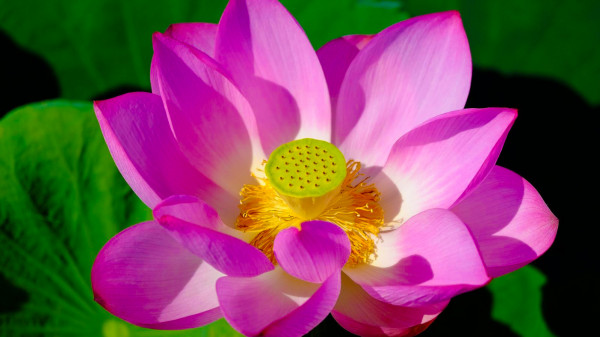
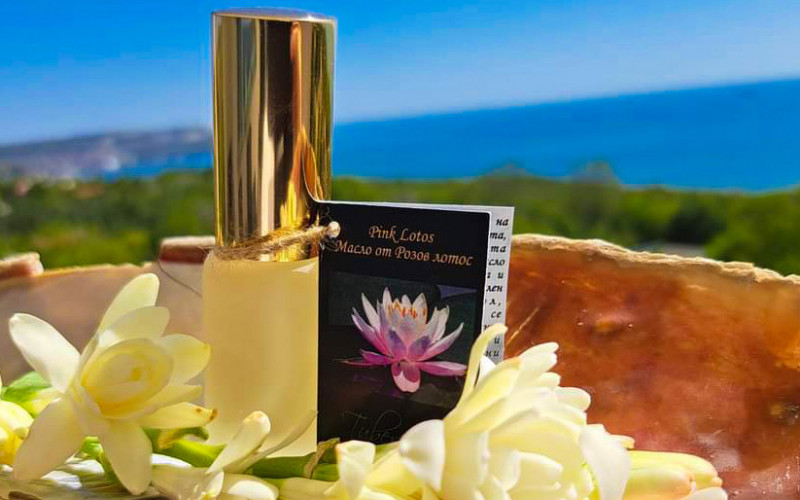
The Lotus plant is a species of aquatic plant in the Lotus family. It can be seen as a blooming flower on the surface of the water, "lying" on beautiful green floating leaves. Its roots are firmly attached to the bottom, allowing it to stay in place and absorb nutrients. It grows primarily in still waters such as ponds and marshy areas. In ancient cultures, this amazing plant symbolized purity, harmony and perfection. Today, it is widely used in cosmetics as a powerful ally for healthy and radiant skin. In this article, we will look at the origin of this plant, its composition and its application in cosmetics in the form of oils and creams. The Lotus Plant: History and Origin The Lotus plant originates from the tropical and subtropical regions of Asia. It has been known since antiquity for its beauty and grandeur. It is considered a sacred flower and the most powerful symbol in ancient Egypt, China and ancient India, as well as in Eastern sciences and Buddhism. This plant is among the favorite flowers of the gods, and in Tantrism it is considered a symbol of femininity, purity and fertility. It is also called the "Flower of Light" as a metaphor for spiritual and physical purification. It blooms in the morning under the action of the bright sun, and closes at night, symbolizing the birth of the day and the cycle of light and darkness. Also, the flower grows mostly in muddy waters, but always comes to the surface clean and unaffected by these impurities. This is often associated with spiritual enlightenment and purity of soul. Lotus: Chemical composition This amazing plant contains a host of biologically active substances that are responsible for its benefits and prevalence in cosmetics in skin care. Among them are alkaloids, flavonoids, amino acids, vitamins (vitamin B and C), minerals (iron, phosphorus), etc. These components work together and provide hydrating, regenerating and anti-inflammatory actions on the skin of the face and body. Types of Lotus There are two main types of lotus - the Pink Lotus or also called the Sacred Lotus (Nelumbo nucifera), and the American Lotus or Yellow Lotus (Nelumbo lutea). They are widely distributed as wild and cultivated plants in different parts of the world. There are many different cultivated varieties and hybrids. Application in cosmetics Lotus oil is mainly extracted by steam distillation of various parts of the plant. This oil has a rich composition and many beneficial properties. It is known for its rejuvenating and regenerating properties on the skin, thanks to which it is widely used in cosmetics and the daily care and routine of almost every lady. Also, pink lotus oil and cream are easy to apply and absorb quickly without leaving any unpleasant residue. The oil is non-comedogenic, which means it doesn't clog pores and is suitable for all skin types, including oilier ones. Balances sebum production perfectly. Lotus oil is also used as a natural perfume without added alcohol, as well as in aromatherapy and massage. Benefits of Lotus oil on the skin Hydrating and nourishing Lotus oil deeply hydrates and nourishes the skin, giving it a smooth and radiant appearance. Skin is soft and brightened after application. Improves its elasticity and firmness. Works deep within the cells, restoring and strengthening the skin's natural barrier layer. Helps retain moisture and protects skin from dehydration. Anti-inflammatory properties Thanks to its rich composition of biologically active substances, lotus oil has a pronounced soothing and anti-inflammatory effect on the skin. It helps to reduce redness and inflammation. It is well tolerated by sensitive and irritated skin. In ancient times, as well as today, lotus was used in traditional medicine to treat skin diseases, acne, rosacea and fungal infections. Regenerating properties Lotus oil also possesses well pronounced regenerative properties, thus finding applications in various skin scars or acne scars. Its active ingredients act on the lower layers of the skin, thereby improving cell division and the synthesis of new, healthier cells on the surface. Antioxidant properties Lotus oil contains powerful antioxidants that protect the skin from free radicals. They neutralize these unstable molecules and thus prevent premature aging of the skin. Fine wrinkles are also erased. With regular use, the skin is visibly smoother and has an improved texture. Fine lines are erased and natural hydration is restored. The oil also stimulates collagen production, making the skin firmer and more elastic. Antibacterial properties Lotus oil also has natural antibacterial properties thanks to its rich and varied composition. They are excellent helpers in the fight against bacteria on the skin that cause acne or other skin diseases. The lotus is not just a beautiful flower growing somewhere out there in the murky still waters. It is a symbol of light, positive energy and new beginnings. Its other name, "Flower of Light," reflects its deep connection to the ideas of enlightenment, knowledge and spiritual purification, which are important aspects in many cultures and religions around the world. This multi-layered symbolism makes the lotus highly significant and revered in various traditions. The lotus is also an extremely valuable ally in cosmetics, providing numerous benefits for the skin. Lotus extract oils and creams have pronounced moisturizing, nourishing and regenerating actions on the skin. Incorporating these products into your daily skincare routine will produce almost instantly visible and long-lasting results, making your skin healthier, radiant and rejuvenated. Discover the secrets of lotus and enjoy its natural benefits by adding lotus oil and creams to your beauty routine. Take advantage of nature's bounty and give your skin the luxurious care it deserves. Order today and take the first step to change for a more beautiful and radiant skin!

Exotic and beautiful plants of the world - Frangipani and its benefits and uses in perfumery and cosmetics

30.05.2024

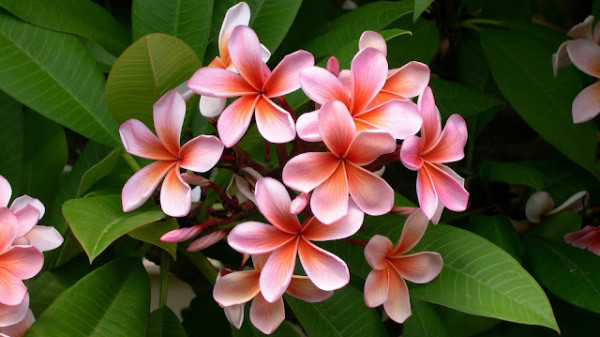
Natural treasures that impress The world of plants is filled with a unique diversity, and exotic plants are like little treasures of nature that bring their unique qualities and magic from distant lands to our gardens and homes. They are not just beautiful flowers and foliage - they carry with them stories, cultural meanings and uses that connect us to nature in extraordinary ways. These plants are often shrouded in mystique and legend. For example, the frangipani is not only a tropical flower with a hypnotic fragrance, but also a symbol of immortality and new beginnings in various cultures. In Hawaii it is associated with friendliness and positivity, while in India it carries spiritual significance and is associated with gods and goddesses. It is often found in various Asian countries such as Thailand, Sri Lanka, Indonesia in colors of white, yellow, pink or orange. These natural beauties are not only an aesthetic pleasure, but also functional - they are used in medicine, cosmetics and even in cooking. Frangipani, for example, apart from perfumery, is also used in the form of oil in cosmetics for its moisturizing and soothing properties that make the skin smooth and radiant. In other words, these plants are not just ornamental but also gifts of nature that offer us a myriad of benefits and experiences that enrich our lives. They create unique sensations and memories - from the delicate fragrance of frangipani, which reminds us of a tropical evening by the sea, to the spectacular colors of orchids, which bring a sense of luxury and exoticism. They are more than decorative elements - they are a bridge between us and the amazing world of nature that continues to impress and inspire us. Frangipani: Symbol of beauty and aroma Frangipani (Plumeria), also known as the "flower of the gods", is one of the most iconic tropical flowers that is often found in gardens and parks in warm regions around the world. This plant is known for its vibrant colours and amazing fragrance, which is often described as a combination of sweetness, citrus and light spicy notes. Frangipani not only adorns gardens but also plays an important role in perfumery and cosmetics. Its fragrance is often used in perfumes, where it is combined with other tropical and fruity notes to create an alluring and exotic bouquet. In cosmetics, frangipani oil is used for its moisturizing and soothing properties, and they are found in lotions, body butters, and skin care products. The name of the amazing frangipani plant comes from an Italian nobleman named Marquis Muro Frangipani, who lived in the 16th century. He created a famous fragrance for perfumes based on the scent of almond. When European botanists discovered the Plumeria plant (which later became known as frangipani) and realized that its flowers had a similar scent, it was named after him. Although the plant originated in Central America, its name remains associated with the Italian Marquis because of the similarity of the scent to the perfume he created. Strelitzia: The Bird of Paradise plant One of the most beautiful exotic plants that can't help but attract attention is Strelitzia, also known as the "Bird of Paradise". This plant is native to South Africa and gets its name because of its unique shape that resembles a bird in flight. Strelitzia's bright orange and blue flowers make it extremely popular in landscape design and bouquets. Strelitzia is easy to grow and can adapt to a variety of climates, making it a popular choice for an ornamental plant. Although not as widely used in cosmetics, it certainly adds exoticism and uniqueness to gardens around the world. Lotus: Symbol of purity and grace The lotus (Nelumbo nucifera) is another emblematic representative of exotic plants widely distributed in Asia, where it has a deep cultural and spiritual significance. The lotus flowers open early in the morning and close in the evening, the process symbolizing renewal and purity. In the beauty and health industry, lotus extracts are highly valued for their antioxidant and anti-inflammatory properties that nourish and protect the skin. Lotus is also an edible plant - its roots and seeds are used in Asian cuisine, adding a unique flavor and texture to a variety of dishes. Heliconia: The tropical flag of the gardens Heliconia (Heliconia) is another amazing plant that stands out for its bright and unusual flowers, which often resemble flags or lanterns. These plants grow in tropical areas of Central and South America and are known for their long, colorful inflorescences that attract birds and insects. Heliconias are often used in tropical gardens and landscape design where they create a dramatic visual effect. Although they have no use in cosmetics, they are a popular choice for decoration and adding an exotic touch to a variety of spaces. Orchids: Beauty and diversity Orchids are some of the most diverse and beautiful plants in the world, with over 25,000 species spread across every continent except Antarctica. These plants are a symbol of elegance and exoticism and are used not only as ornamental flowers but also in various traditional and medicinal practices. Orchids are often found in perfumery and cosmetics, where their extracts are used for their moisturizing and nourishing properties. Frangipani in cosmetics and perfumery With its beautiful and captivating flowers, the Frangipani plant not only pleases the eye of everyone who sees it, but also possesses numerous beneficial properties. Thanks to these, Frangipani oil is becoming extremely valuable in cosmetics and perfumery. For example, the name of this plant comes from the family name of an Italian aristocrat who first used its incredible aroma to make perfume. Its extract is often found in luxury perfumes, where it adds a sense of tropical freshness and sensuality. In traditional medicine centuries ago, frangipani oil was used to treat skin ailments, swellings and wounds, and to generally improve the condition of the skin. It has antifungal, antibacterial and topical soothing effects. You can find out more about this incredible plant and its amazing benefits and uses in cosmetics in our product descriptions of these products - Frangipani Oil and Frangipani Plant in Pot. Exotic plants such as frangipani, strelitzia, lotus, heliconia and orchids continue to inspire and fascinate with their unique colors, scents and uses. They not only grace our gardens, but also find their place in cosmetics, perfumery and traditional medicine. These plants bring with them a history, culture and natural beauty that deserves to be appreciated and shared around the world.

Welcome to our website tuberosepolianthes.com

12.04.2024

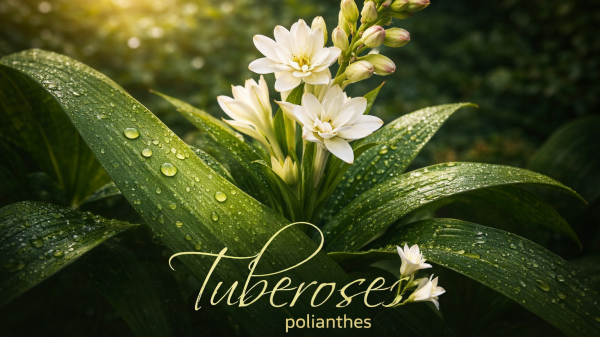
Welcome to the world of Tuberose Polianthes: We create with love, inspired by nature Hello friends and welcome to the Tuberose Polianthes blog! We created this project with a lot of love and attention to detail. Our idea is to make everyone feel comfortable in it, easy to navigate and quickly find their favorite products. Many of you know us from our Facebook page and for many years shared every emotion, every new product and every beautiful flower shared and grown with lots of care and love for you! Here came the idea to create our website, driven by a strong desire to grow and for our products to reach more and more people quickly and easily. It will introduce you to our history, our philosophy and the passion we put into every endeavor. Our mission is not only to create quality natural products, but to tell the story of the years of experience and dedication behind them. We believe more and more people will learn about us and our products because we make everything with love and attention to detail. And when something is done with a lot of desire and strong motivation, it always works! Our activity is inspired by nature and the cultivation of flowers and fruits in our plantations in the village of Karanovo . This small, picturesque corner of Bulgaria is where the magic of our products begins. With extreme care and attention to each plant, we grow our crops in an organic and sustainable way that combines traditional methods with the latest practices from around the world. Where does our name come from? Our wonderful name Tuberose Polianthes comes from the name of a truly amazing plant - Tuberose Polianthes. Whatever we say about it will not be enough. This plant originally gained popularity in Spain, then was one of the first plants carried to Europe back in the 1500s. Tuberose oil is one of the most precious oils in the world and is known for its "mesmerizing fragrance". It is included in some of the finest and most expensive perfumes, and is often combined with jasmine and orange blossom. They also call this plant the 'Queen of the Night' as its hypnotic scent becomes even stronger and more intense after dark. For all those who want to touch this plant and feel its fragrance, even if only for a few seconds, can visit our plantations in the village of Karanovo during the months of August - November. There you can buy bulbs of it or directly the plant in a pot, which will adorn your home or garden every day and give you its specific flavour! With love for every plant At Tuberose Polianthes, we don't just make products - we create true gifts from nature. Every flower and fruit we use is grown with great care and attention. Our plantations in the village of Karanovo are not just a place of work, but a real home for our plants, where they develop every day under the watchful eye of our team. This approach to growing allows us to create products that are not only effective, but also of proven quality and provenance. Thanks to our many years of experience, we are able to strike the perfect balance between traditional cultivation methods and modern technologies that ensure the purity and high quality of every drop of our oils and cosmetics . A journey through the world of knowledge and experience Our journey is not limited to Bulgaria. We gather experience and knowledge from all over the world to perfect our methods and products. We visit different regions and farms, learn from local producers and adapt their best practices to our conditions. In this way, we are able to create products that not only meet the needs of our customers, but also carry the spirit and quality of global traditions. Our oils and cosmetics are the result of years of experimentation, testing and continuous improvement. We believe that only with dedication and passion can something truly exceptional be created - and that's exactly what we do every day. Every product that comes out of our production facility goes through strict quality control and is filled with care and love. Our mission - more than business At Tuberose Polianthes we strive not just to produce, but to create. Our mission is to touch people through our products and bring them closer to nature. We believe that everyone deserves to feel the true power of natural ingredients and enjoy the benefits they bring to the skin and soul. With love and passion, we create products that inspire and bring joy. Every day is a new opportunity for us to improve and offer even better solutions for our customers. Every oil, every cream and every bottle that comes out of us tells a story - the story of Tuberose Polianthes. Join us We invite you to become part of our journey. Follow our blog for news, tips and inspirations related to the world of natural cosmetics and the plants we so lovingly grow. Each week we will share interesting facts about the plants we grow and the cosmetics we produce. We will give you tips on growing plants, and which plants are beneficial to grow at home or in the garden. We'll introduce you to the origins and specifics of our exotic plants, and why not get you motivated to grow one at home that will beautify and give you amazing fragrance every day? Thank you for being with us and for sharing our passion for quality and natural products! We are always here to help you with all your questions.

Cookie